Baodexing
ultrasonique




Nettoyage par ultrasons vs rinçage : quelle est la différence ?
- Catégorie : Nouvelles de l'industrie
- Date :
- Auteur : DianAdmin
Many customers confuse ultrasonic cleaning and rinsing. Some think rinsing is just a simple water dip. Actually, they perform totally different functions in precision cleaning processes, and both are essential.
Ultrasonic Wash
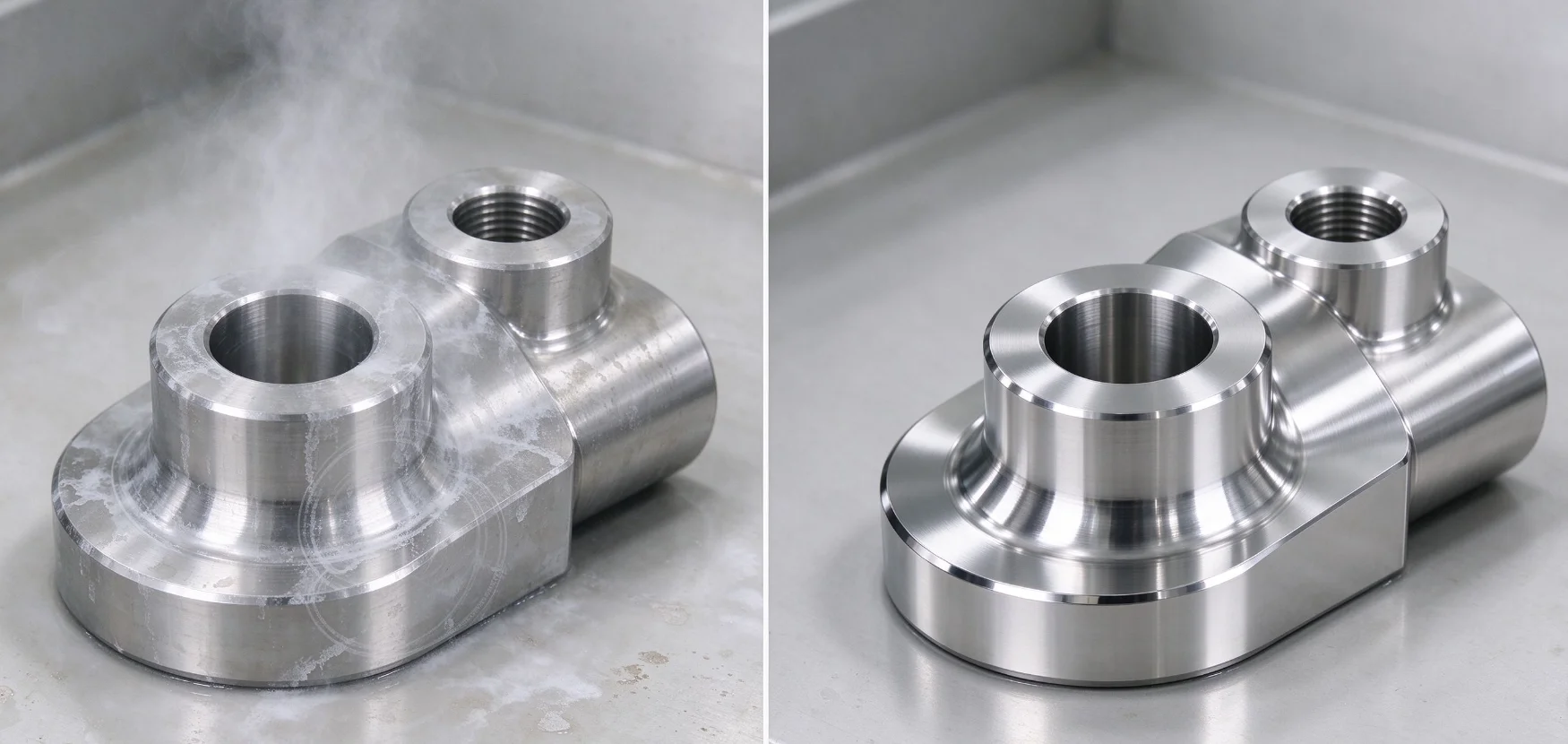
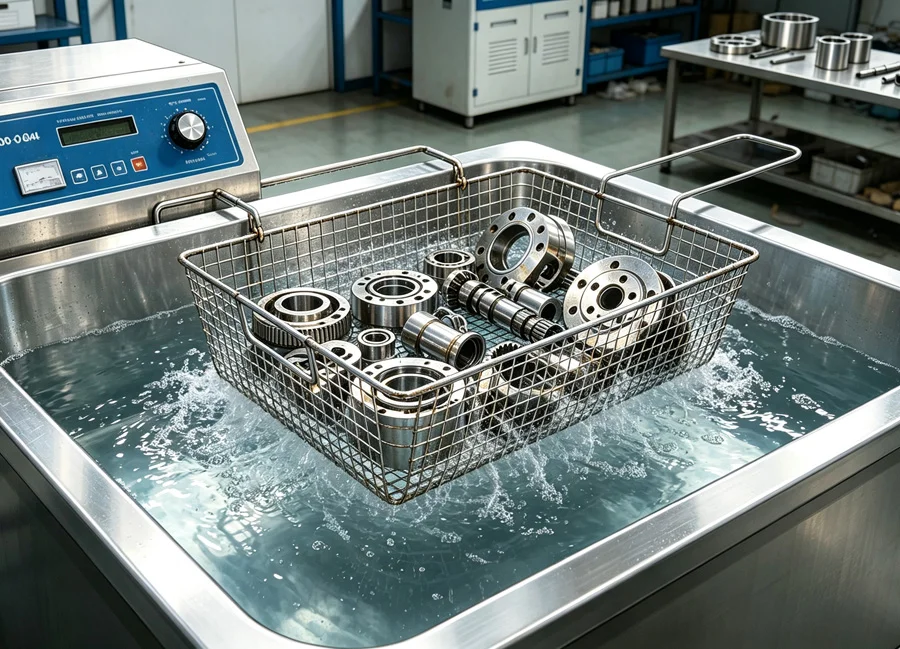
Function: Remove stubborn contaminants from parts, inside blind holes and threads by ultrasonic cavitation. Typical contaminants include cutting oil, grinding oil, polishing compound, carbon residue, metal oxide scale and flux residue. The tank is filled with water-based or solvent cleaning chemistry. It runs at relatively high ultrasonic power with strong cavitation impact, which is the core step to break up soils. Important note: Contaminants are only lifted off the workpiece and suspended in the cleaning liquid, not dissolved away. Parts will be covered with a thin film mixed with detergent and dirt after washing.
Rinse
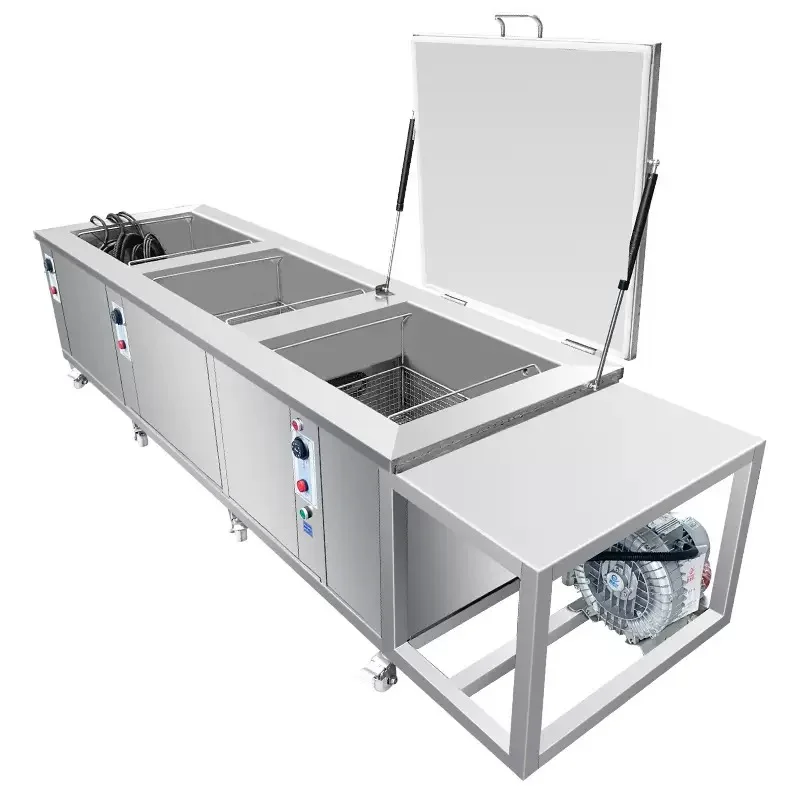
Function: Flush away residual detergent and fine suspended particles on components. It prevents watermarks, white stains and corrosion marks after drying. Rinse tanks use DI (deionized water) normally, no cleaning detergent added. Two common rinse types: overflow rinse and ultrasonic rinse. Ultrasonic rinse applies mild cavitation, ideal for deep holes and narrow gaps of precision parts to flush trapped chemical residues. For high cleanliness requirements, manufacturers use multi-stage rinsing (2 or 3 tanks), and the final rinse uses high-purity DI water.
Standard Process Flow
Ultrasonic Wash → 1st Rinse → 2nd / Final DI Rinse → Hot Air Dry
Wash without rinse: Detergent film and watermarks will remain after drying. Rinse without wash: It can only remove loose dust, not heavy oil and stubborn soils.
Catégorie d'actualités
Catégories
recommander
balises
table des matières
Postes connexes
d'autre

Vous avez une question ? N'hésitez pas à demander..Feedback
Nous sommes impatients de travailler avec vous – résoudre les problèmes de nettoyage et améliorer la qualité des produits.
0086-181 0624 2520
Obtenez les dernières offres de devis
Centre des produits
actualités
Liens rapides